Tarot & alchimy [EN]
[English & French version]
Lion dévorant le Soleil (symbole alchimique célèbre)
It’s often said that Tarot and Alchemy are intimately connected but what is alchemy, really?
Alchemy is an esoteric practice (distinct from occultism) that originated in ancient Egypt around 3000 BCE, before spreading to China, India, the Arab world, Byzantium, and eventually medieval Europe.
In Europe, it was practiced by the vast majority of Catholic religious orders until the Renaissance, after which it gradually faded, largely due to the Protestant Reformation and the French Revolution.
It resurfaced in occultist circles during the 20th century, but in a form that had been deeply distorted and stripped of its original divine essence.
At its core, alchemy consists of separating the three fundamental principles that make up all creation, Salt, Mercury, and Sulfur (body, soul, and spirit) purifying them, and then recombining them.
The alchemist can carry out these three operations, separation, purification, and recombination on plants, minerals, and even animals.
Through this process, the alchemist perfects corruptible matter, restoring it to its original divine nature, the state it possessed before the biblical Fall.
And in perfecting matter, the alchemist perfects himself as well, gradually removing the corruption within his body, soul, and spirit, until he ultimately overcomes death itself.

Separation of the mercury and the sulfur inside an alambic
The chemical separation of the three principles Salt, Mercury, and Sulfur is inseparable from the practice of alchemy.
What is alchemy not?
Alchemy is neither a theoretical nor a speculative science. It consists of concrete chemical operations that act directly upon matter in order to purify it.
Yet the alchemist’s work is not purely material; it is also spiritual in nature.
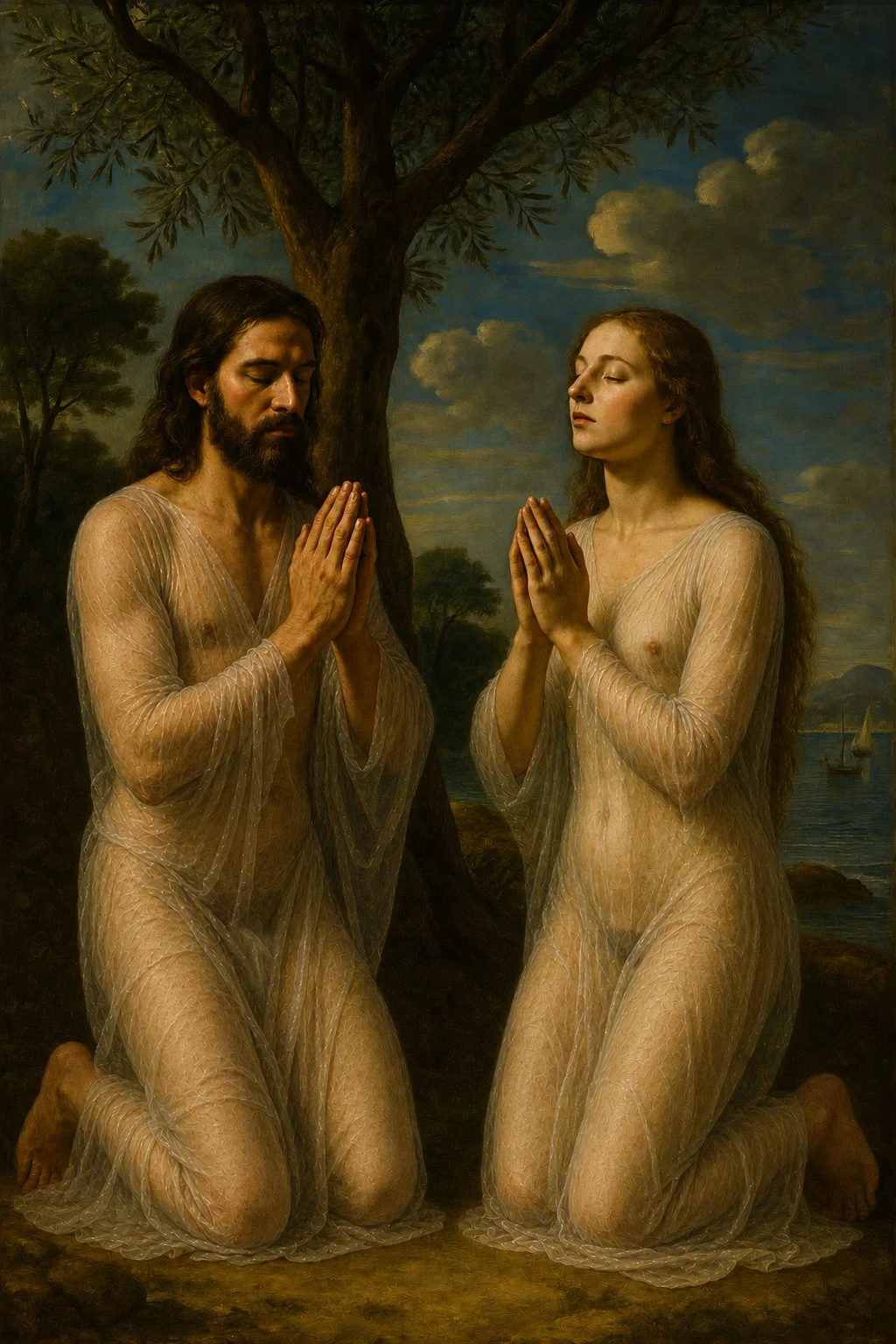
The alchemist’s task does not simply involve manipulating substances in a laboratory. It also requires a disciplined life of prayer, through which God is invited to take part in the process, what adepts refer to as the “Secret Fire of the Sages,” or the “Celestial Fire.”
In this sense, alchemy without a laboratory is not alchemy just as chemistry without prayer is not alchemy either.
This is why alchemy rests upon two essential pillars: Ora et Labora (pray and work).
The first refers to the sustained effort of prayer the alchemist must undertake; the second, to the work carried out in the laboratory.
Since the alchemist’s body itself is an athanor, a microcosm reflecting the macrocosm, the quality of the alchemist’s prayer directly influences what takes place within the alchemical vessel.
What is its the link with the marseille tarot?
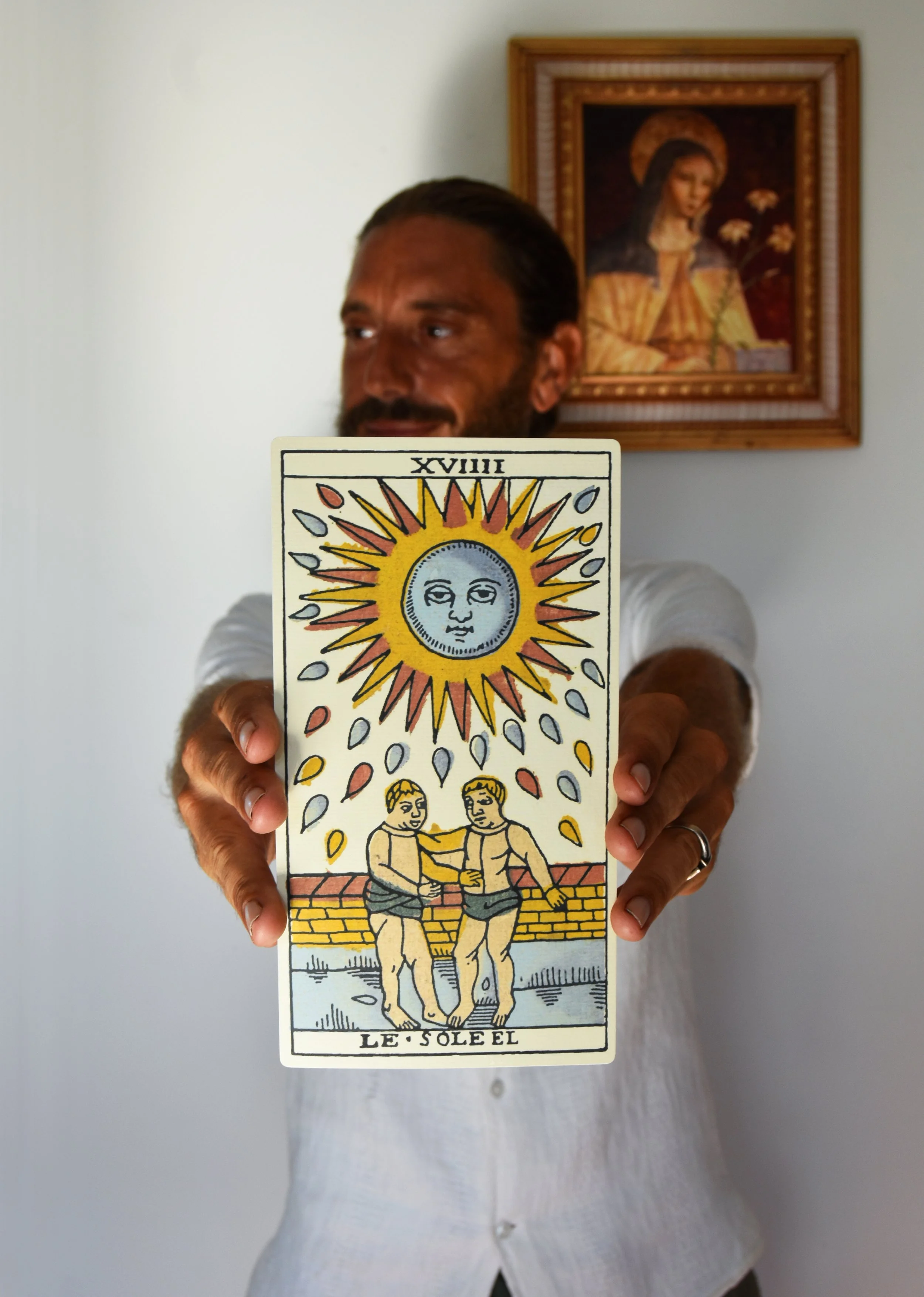
The Sun from our Giant Rolichon
Alchemy is a Hermetic science and, as such, shares a common philosophical foundation with the Tarot de Marseille. This is why both alchemy and the Tarot de Marseille employ a shared symbolic language, one expressed through the “language of the birds,” symbols, myths, and imagery.
While the Tarot de Marseille is not, strictly speaking, an alchemical tool, since it involves no chemical manipulation, it is nonetheless deeply imbued with Hermetic principles and can be used within the alchemical oratory framework.
In this context, it serves as a support for contemplative meditation, helping to invoke the Celestial Fire during the course of alchemical operations (see: Tarot & Lectio Divina workshop).
[ENGLISH VERSION]
Returning to the State of Original Wholeness
Since our fall into matter, we have become incomplete beings, subject to the corruption of both body and soul.
The bond (Salt) that once united our soul (Mercury) with our spirit (Sulfur) has become corrupted, creating a fracture and a state of disharmony between our three fundamental principles. Our soul has thus become dependent on the body and entirely separated from the spirit.
In this way, we have become incomplete beings, cut off from a part of ourselves.
By separating these three principles, purifying them, and then bringing them back together, the alchemist establishes a new and more harmonious dynamic within his being.
Through the successive stages of the Work, the apprentice gradually recovers his original state of harmony and wholeness.
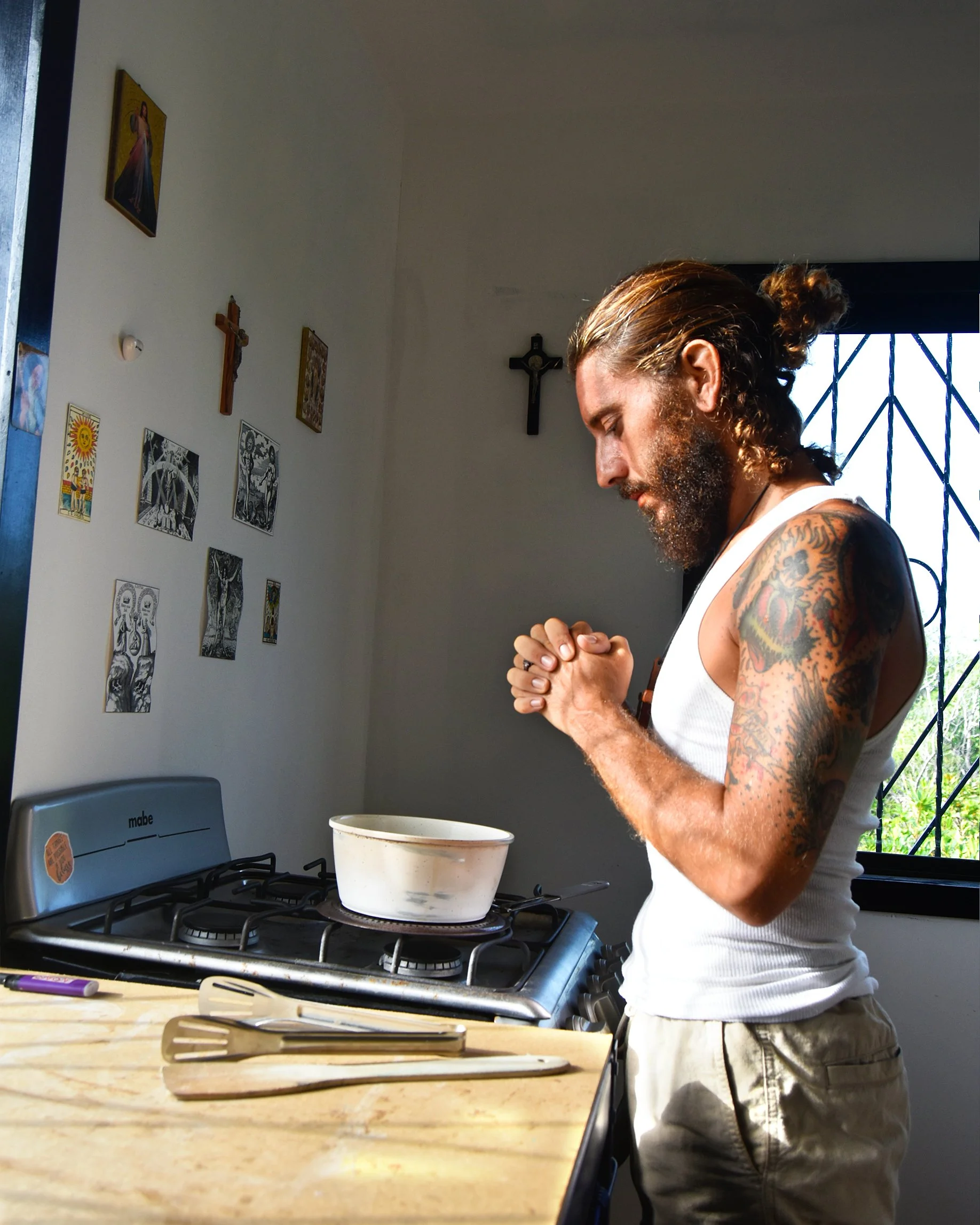
Calcination process (nigredo / work in black)
Prayer accompanies each stage of the process leading to the Great Work, as highlighted by the Benedictine adage 'Ora & Labora'
Why SHOULD WE ALL PRACTICE alchemy?
Beyond the ultimate goal sought by the alchemist? the complete transmutation of the self (resurrection), which only a few adepts ever attain? alchemy has, for millennia, been regarded as an essential discipline for maintaining physical, mental, and spiritual well-being.
Long before reaching the stage of transmutation (the “glorified body”), the alchemist is gradually transformed with each stage of the Work, becoming a new person each time? more loving, more alive, and increasingly in harmony with both himself and his surroundings, while also improving his health and deepening his connection to God.
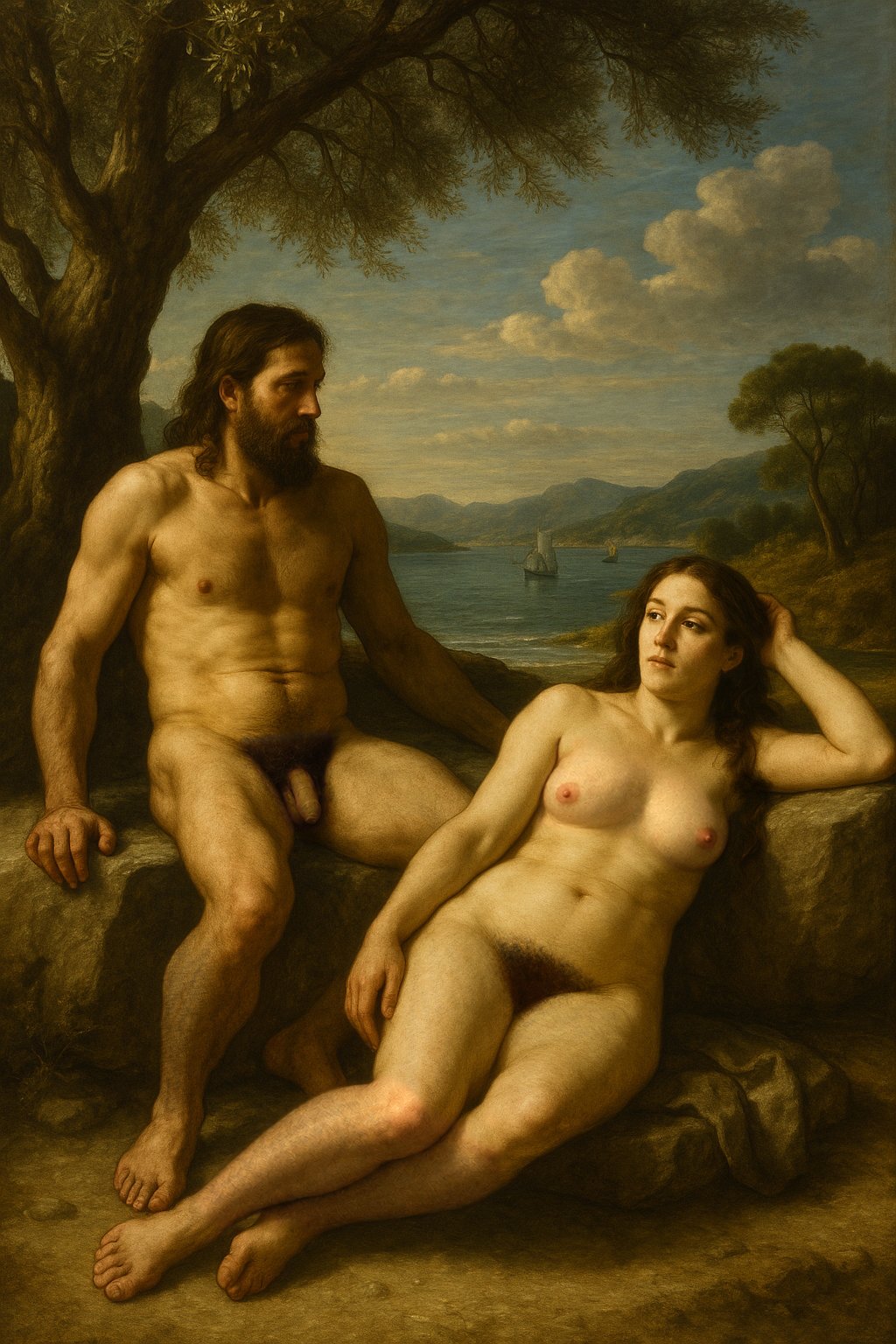
Transformation of the Body
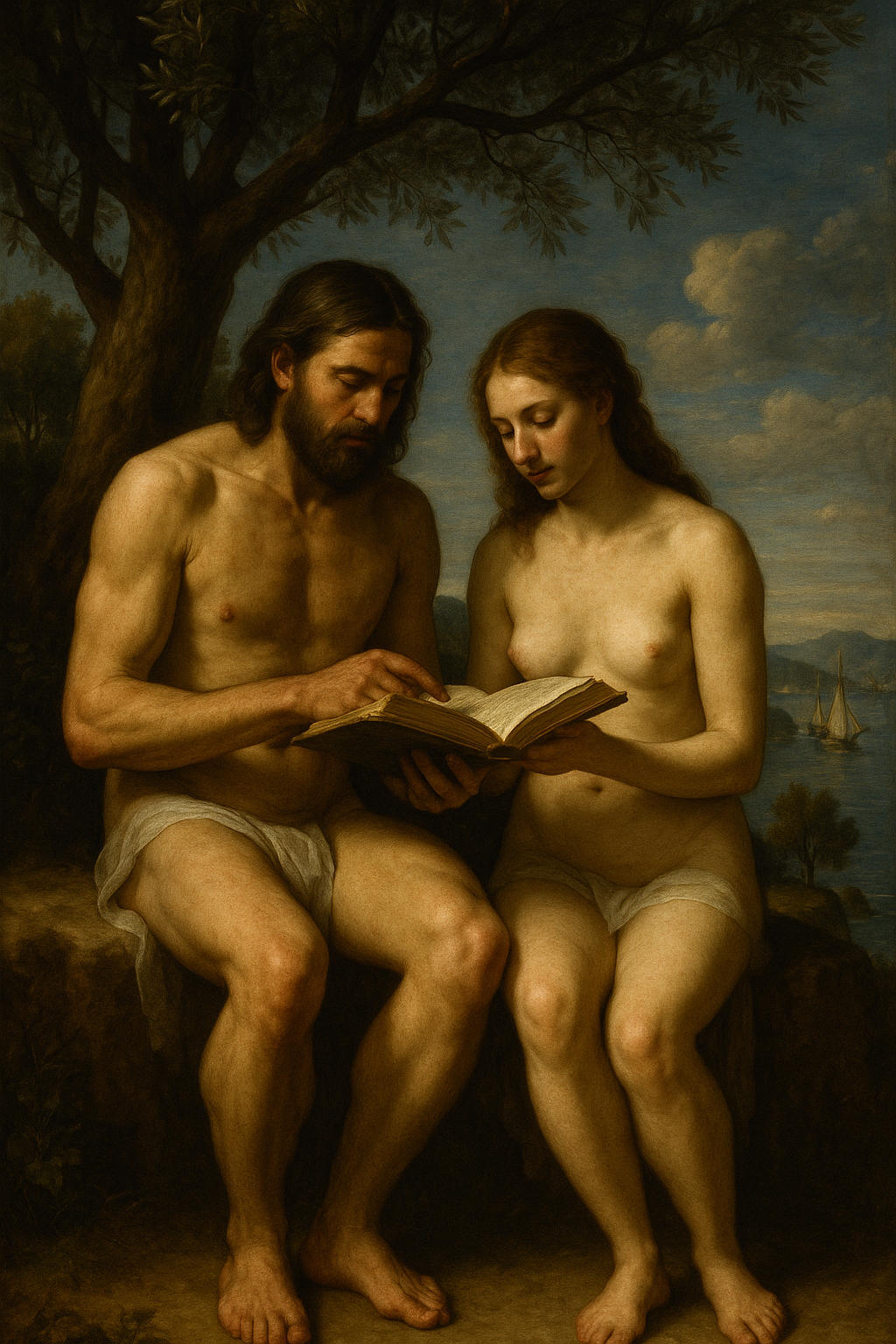
Alchemy is an embodied spiritual practice that works primarily on the human body through an astral, anatomical approach based on correspondences. As the apprentice progresses along the path of initiation, he learns which planets govern which parts of the body, allowing him to carry out targeted healing for himself or others by preparing plant or mineral tinctures, strengthened through the power of prayer.
Over the course of the Work, the human body gradually releases the impurities it has accumulated in this lifetime, as well as those inherited from one’s lineage, slowly returning to its original state of purity.
If the practitioner suffers from addictions or unhealthy habits, these are progressively dissolved through the work on the body.
The alchemist then feels healthier, more energized, more fully embodied, and more at ease within his body, one he cherishes and regards as the temple of the Holy Spirit.
Transformation of the Soul
Alchemy is a spiritual practice that profoundly affects the human soul. At the beginning of the Work, it is your psyche that is broken down, only to be reborn at its completion.
Gradually, both the conscious and unconscious inner life of the apprentice begins to dissolve, shedding the harmful conditioning, automatic patterns, and traumas that have accumulated over time. He slowly lets go of who he believes himself to be, in order to embrace the identity that God has ordained for him.
Like the body, the soul is progressively purified, leaving behind intrusive thoughts, unhealthy mental patterns, emotional wounds, and limiting beliefs.
Through this work on the soul, the alchemist experiences greater mental clarity and capacity, improving his ability to learn, reflect, and remember, while also developing a more balanced emotional life.
The soul is no longer bound to the body and can now fully devote itself to the Spirit.
Transformation of the Spirit
But like any truly spiritual practice, alchemy also transforms the individual on the spiritual level.
The alchemist is not alone in the laboratory; he works with God, who is the true master builder of the Art, while the alchemist is only the laborer.
Through this practice, the alchemist develops a deeper connection to God, or to the divine, which allows him to build a genuine conscious relationship with his Creator.
He no longer perceives the world solely through his five senses, nor through the lens of his psyche, but begins to perceive divine reality beyond the veil.
Gradually, the alchemist awakens to the spiritual world as his matter comes to reflect divine light.
Naturally, as with any spiritual practice, this is a process that takes time and demands a great deal of patience and faith. Yet sometimes, the results can manifest in a rather sudden and surprising way.
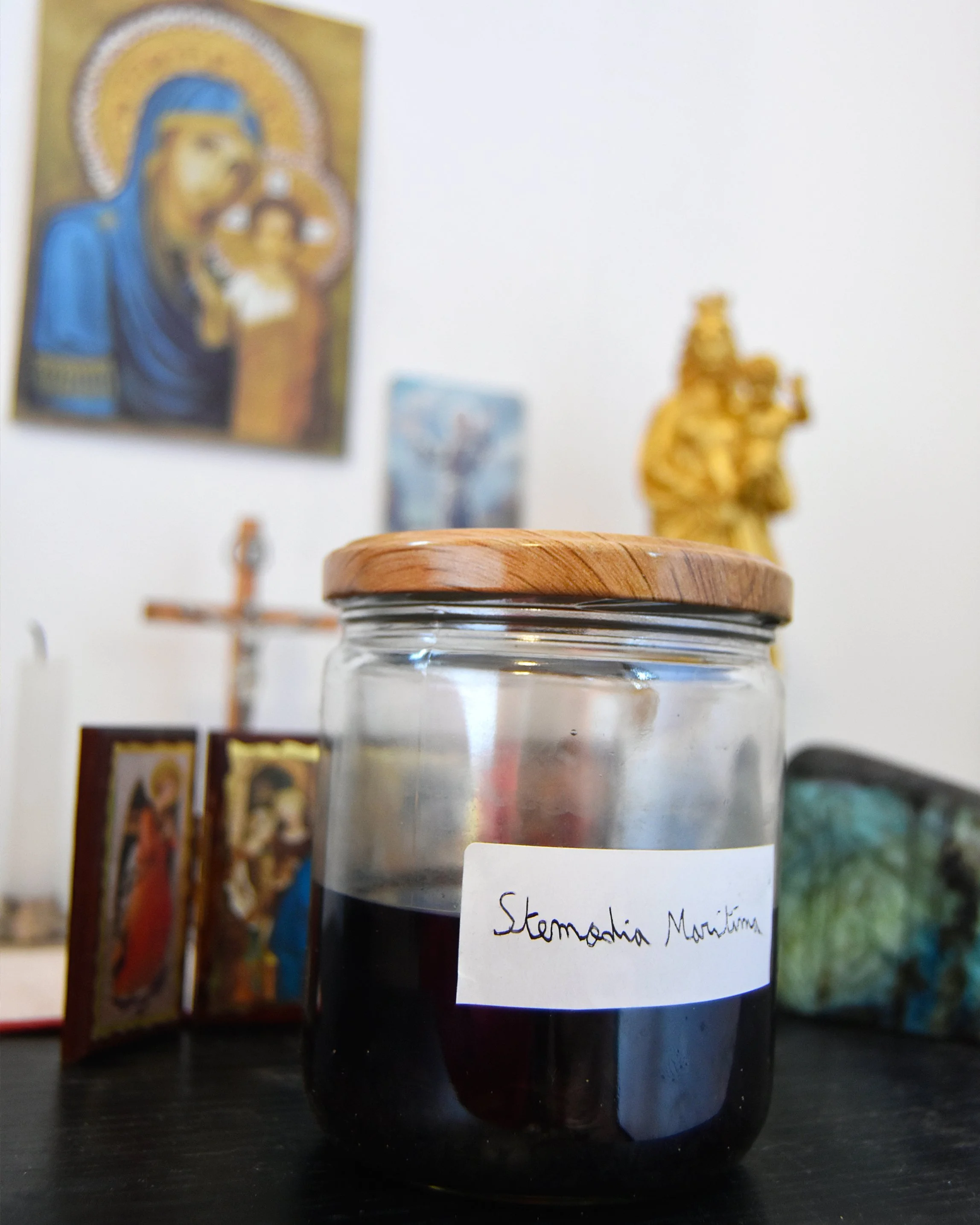
Putrefaction stage (nigredo / work in black)
Putrefaction allows the separation of the Salt from the Sulfur + Mercury mixture.
Does alchemy fascinate you too, and do you want to explore the subject further? If so, there is no better way than to read the very words of wisdom left behind by the Adepts—those who accomplished the Great Work during the Middle Ages and the Renaissance.
This is why I have re-edited several alchemical treatises from this period (paperback & ebook):