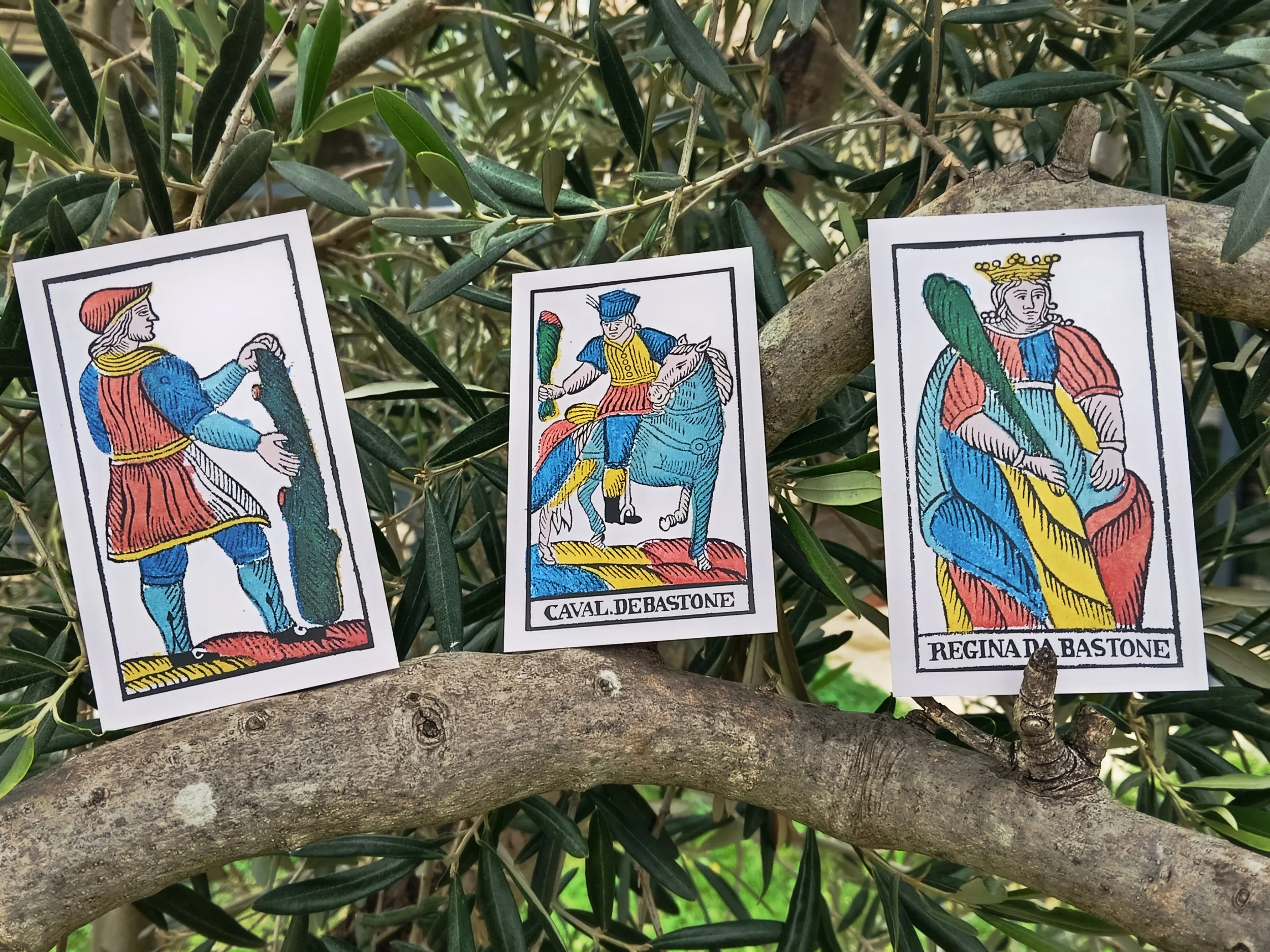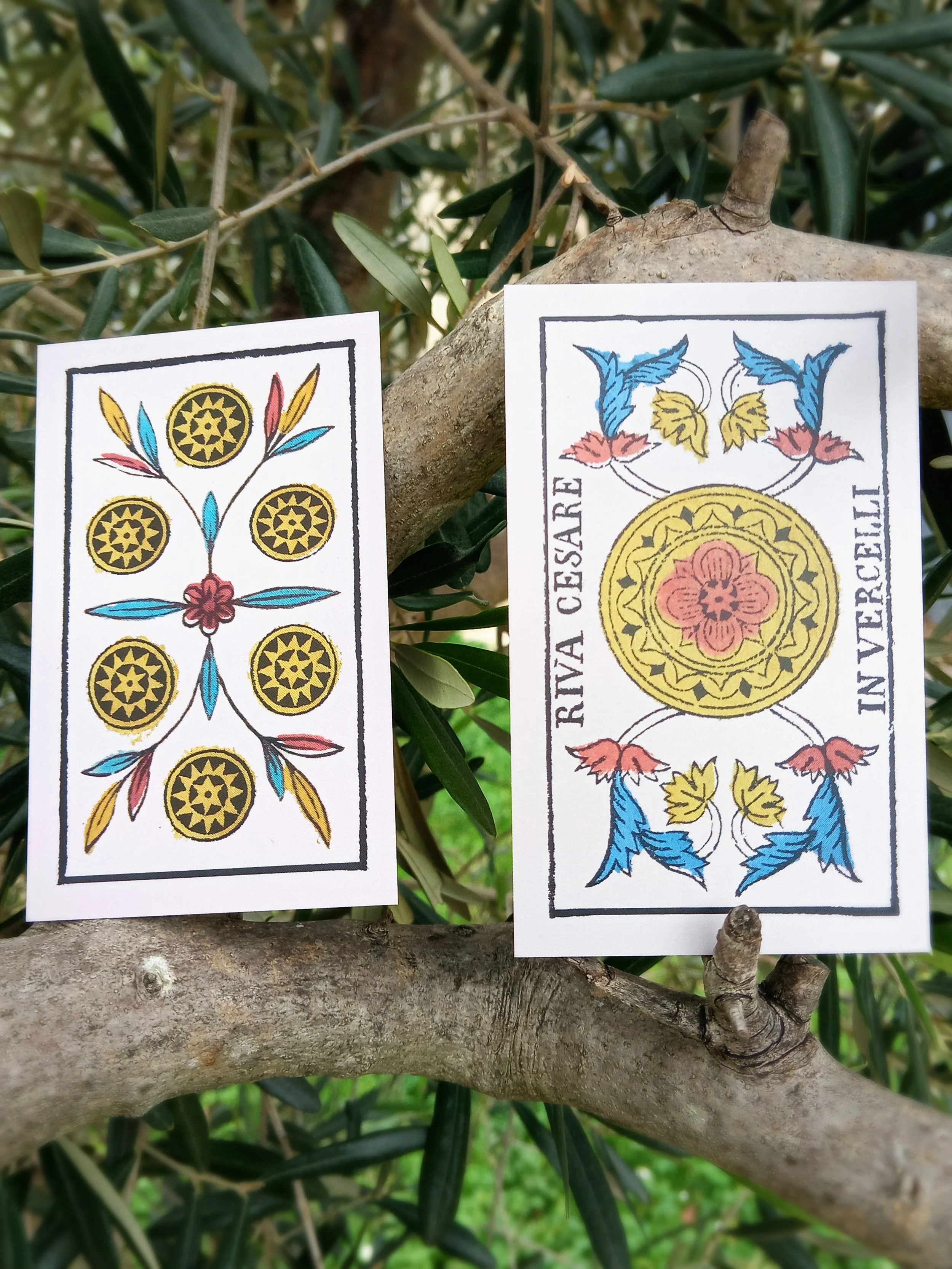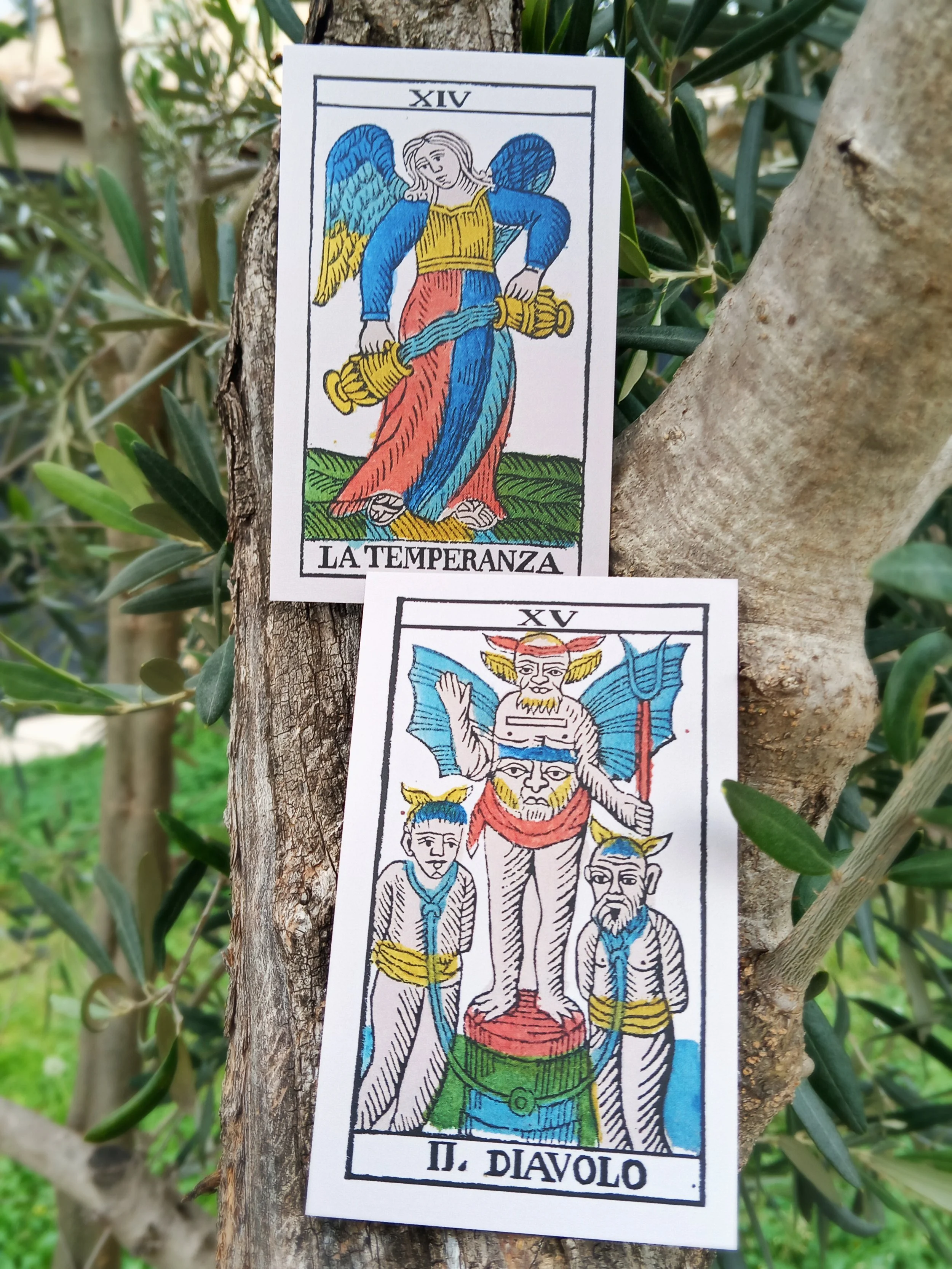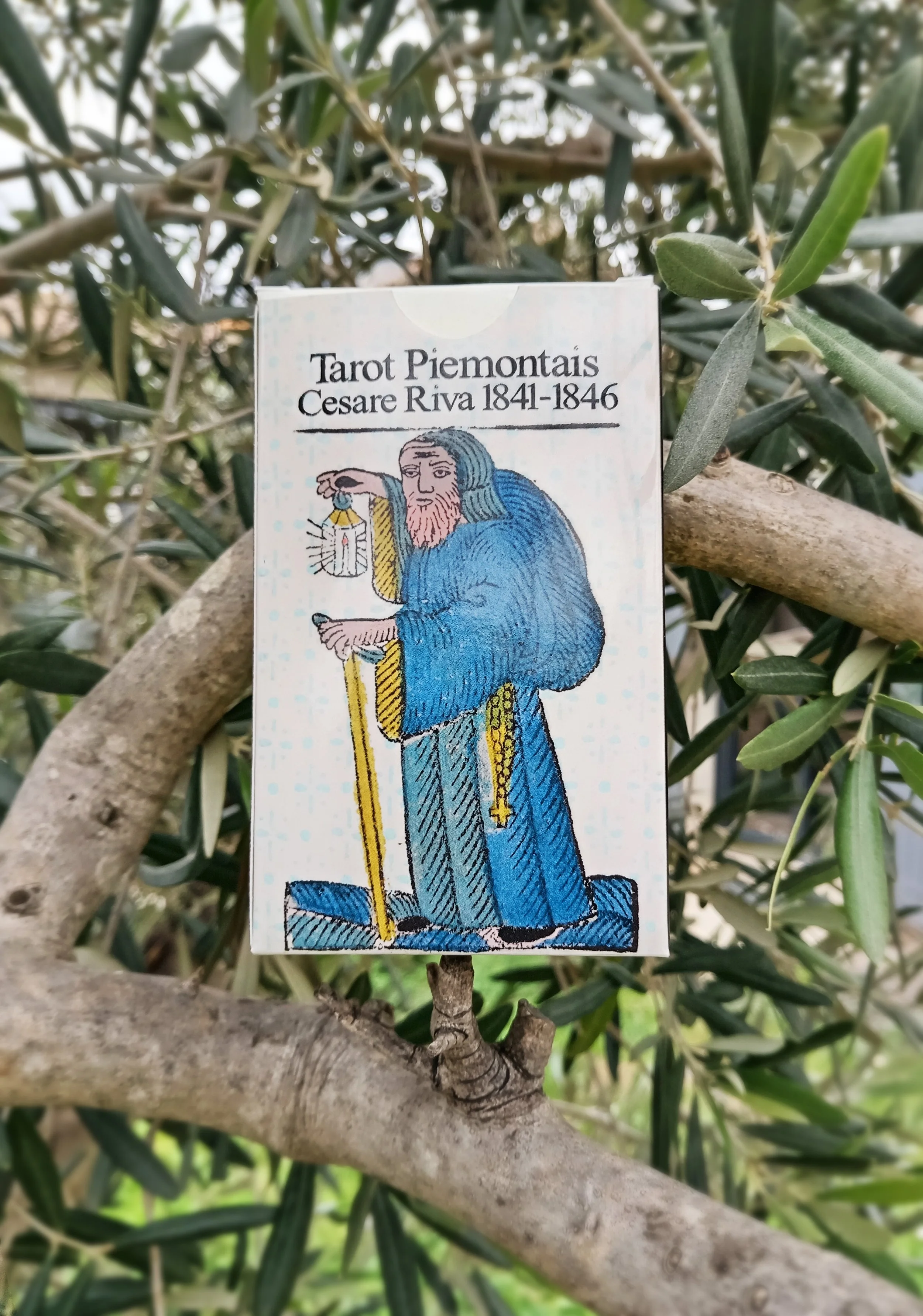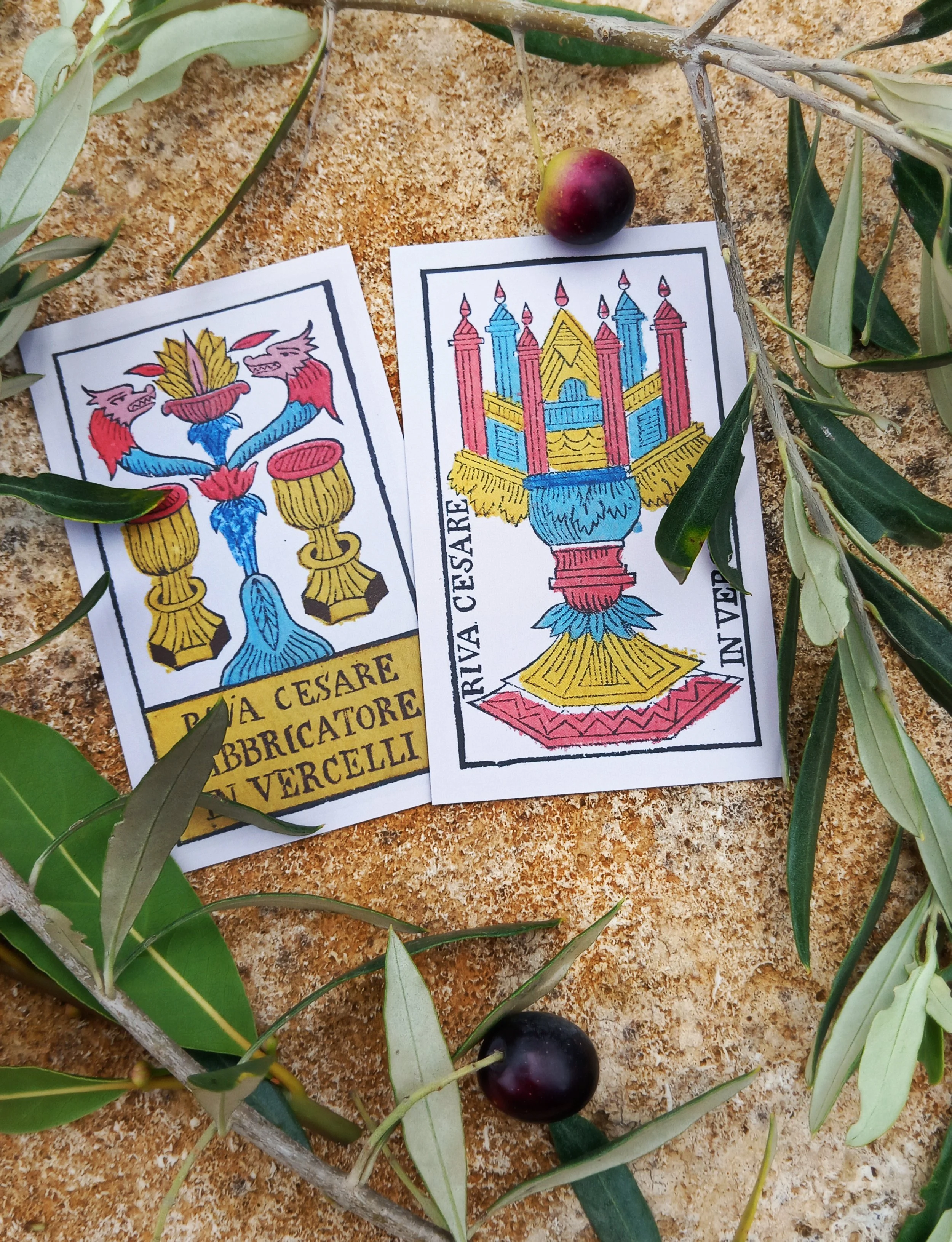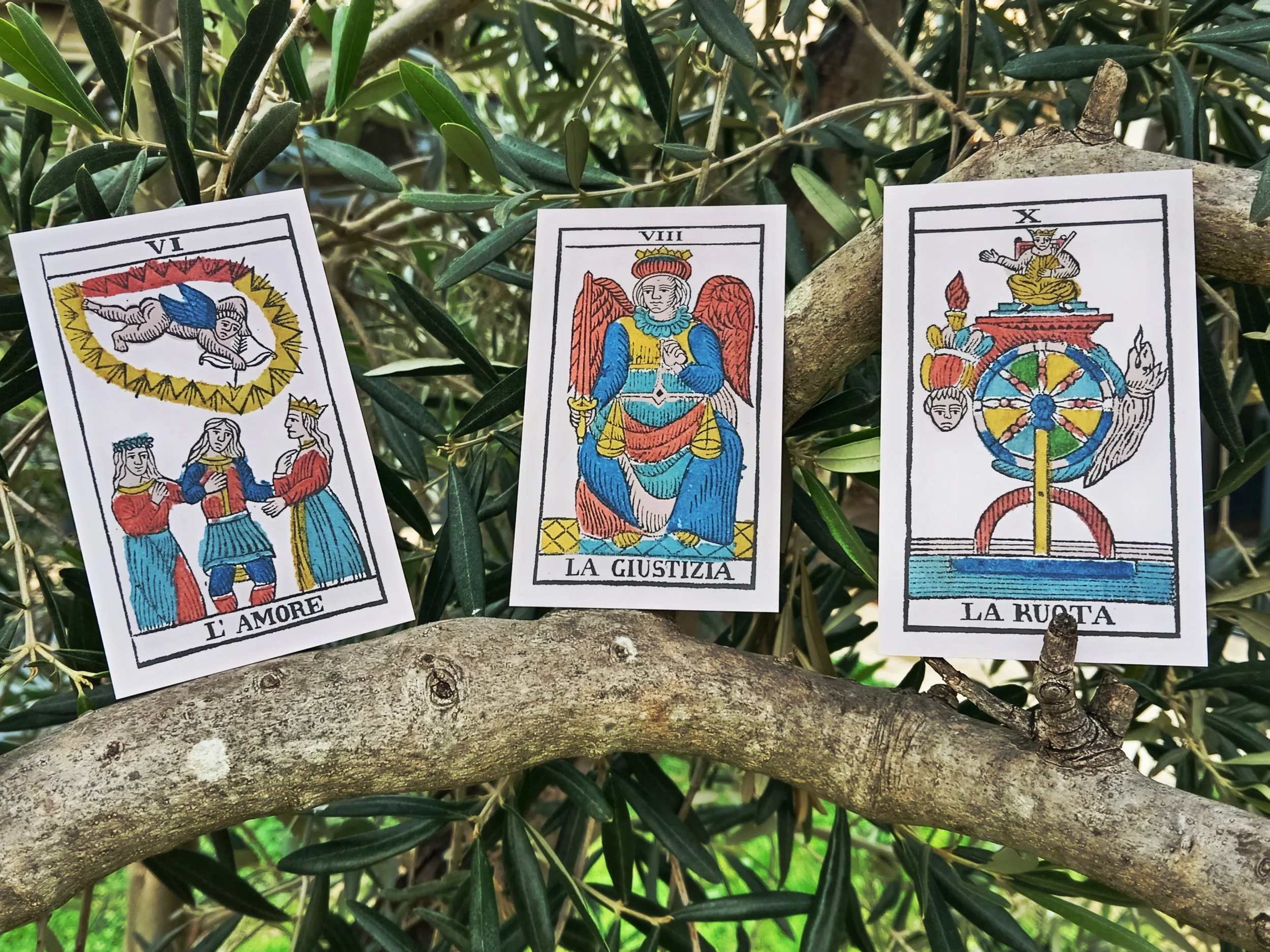
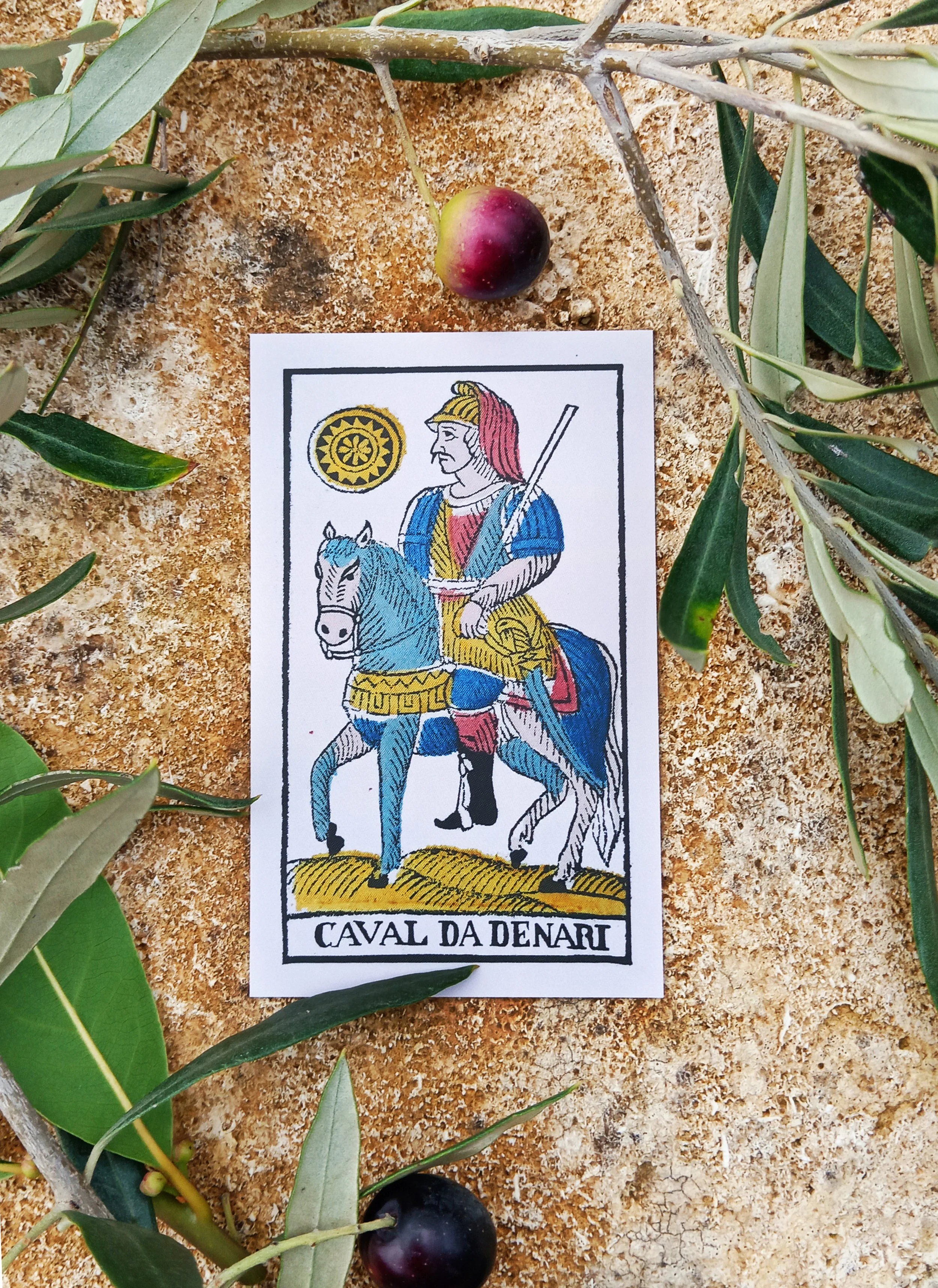
[Edition manufacturée] Tarot de Cesare Riva

€39.00
  • Restored facsimile : This facsimile has been integrally restored according to our knowledge in history of art. Each lines and contours (faces, shapes, letters, numbers; etc) have been integrally reconstructed and colors have been restored as they were in 1841-1847. Production defects existing in the original deck from the Christophe Poncet’s deck have been preserved to respect that masterpiece’s authenticity.

  • Restoration made with the courtesy of Christophe Poncet

  • 78 cards.

  • Cards size : 109 mm x 62 mm (original size).

  • Lamination : Matt

  • Printed on 350 GSM.

  • Tuck box included

  • Square corners.

  • Printed in Provence.

  • Limited to 75 copies.

  • Weight : 250g

  • Restored facsimile : This facsimile has been integrally restored according to our knowledge in history of art. Each lines and contours (faces, shapes, letters, numbers; etc) have been integrally reconstructed and colors have been restored as they were in 1841-1847. Production defects existing in the original deck from the Christophe Poncet’s deck have been preserved to respect that masterpiece’s authenticity.

  • Restoration made with the courtesy of Christophe Poncet

  • 78 cards.

  • Cards size : 109 mm x 62 mm (original size).

  • Lamination : Matt

  • Printed on 350 GSM.

  • Tuck box included

  • Square corners.

  • Printed in Provence.

  • Limited to 75 copies.

  • Weight : 250g

INFORMATIONS À PROPOS DU JEU :

Acquéri par le British Museum en 1896, ce n’est qu’en janvier 2022 que Stephen Mangan démontra que ce Tarot, que l’on pensait être un seul et même jeu, est en réalité composé de 2 tarots différents.

26 cartes ayant les caractéristiques d’un TDM de type 2 sont attribuées au cartier lyonais du nom de Claude Valentin (initiales CV dans le 2 de coupe), il aurait exercé entre 1637 et 1684.

Les 52 autres cartes qui s’apparentent davantage à un TDM de type 1 auraient été réalisées par un autre cartier lyonais du nom de Guillaume Dubesset (signature du cartier dans le 2 de denier), il aurait quant à lui exercé aux alentours de 1685.

Ce Tarot de Marseille se caractérise par l’inversion du sens de certains arcanes par rapport au canon habituel, il offre une lecture et compréhension inédite du Tarot, venant stimuler la réflexion du lecteur.

C’est la première fois que ce jeu est réédité depuis le XVIIe siècle.